



Why Does My Car Shake When I Brake?
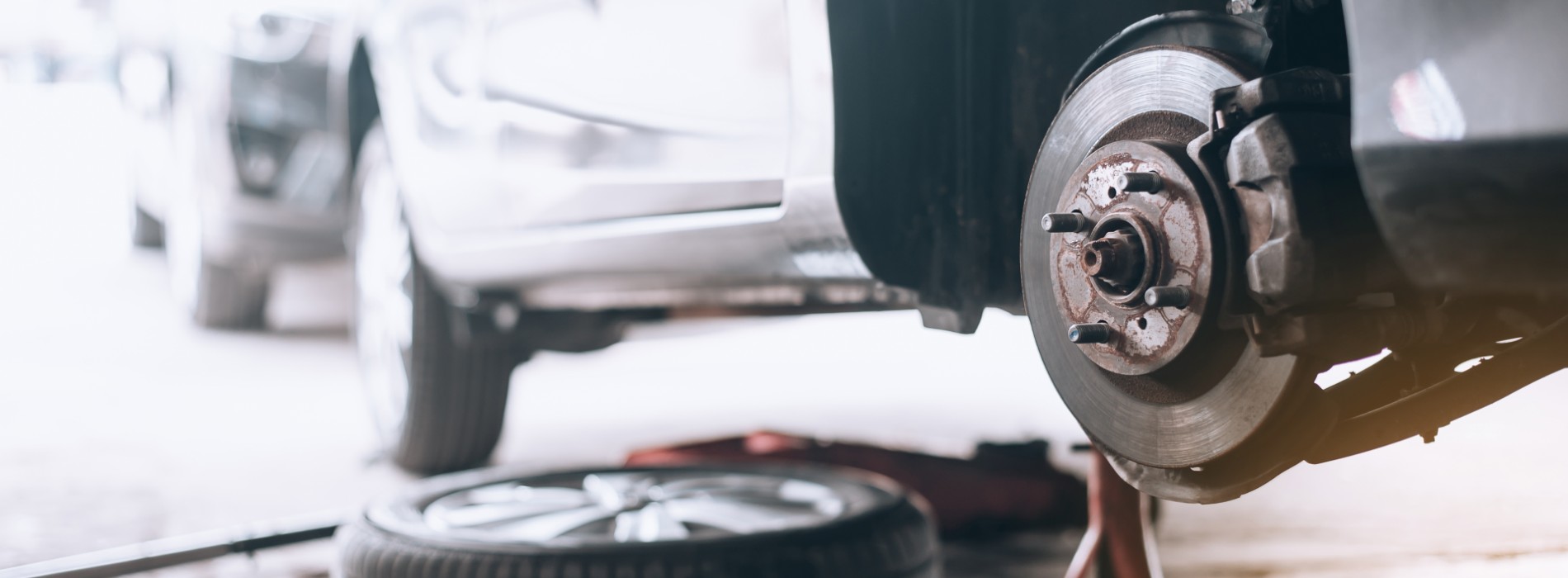
Quick answer: If your car shakes when braking, something in the brake, wheel, tire, or suspension system needs attention. The most common cause is uneven wear on the brake rotors, but worn brake pads, damaged tires, wheel imbalance, and worn suspension components can all produce the same symptom.
What in the world is going on? You’re slowing down for a red light, and suddenly the steering wheel starts wobbling in your hands. Or maybe the whole car feels like it’s shuddering under you.
Not subtle, either. Nerve-wracking.
If your car shakes when braking, something in the brake, wheel, tire, or suspension system needs attention. That’s the bad news. The good news? This is a common problem, and the cause is usually pretty straightforward.
So, why does my car shake when I brake? Start with the brakes themselves.
Brake Rotors Are the Usual Suspect
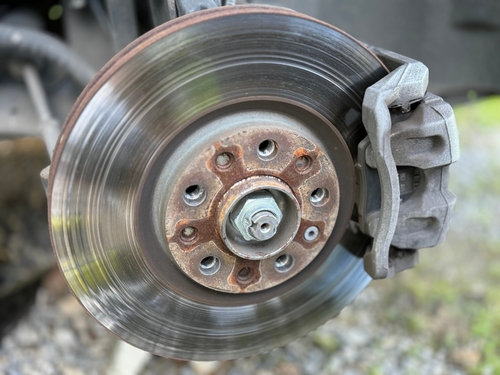
Your brake pads squeeze against metal discs called rotors. That friction slows the car.
Simple enough.
But rotors deal with a lot of heat. Over time, uneven wear or heat-related distortion can create variations in the rotor surface. Then every time the brake pad passes over that uneven area, you feel it.
Pulse. Release. Pulse again.
At highway speeds, that turns into a noticeable steering-wheel shake during braking.
People often call this “warped rotors.” Technically, the problem can also come from uneven rotor thickness or brake-pad material deposited unevenly across the surface. Either way, the result feels similar from the driver’s seat.
A vibration when braking that gets stronger the harder you press the pedal is a big clue.
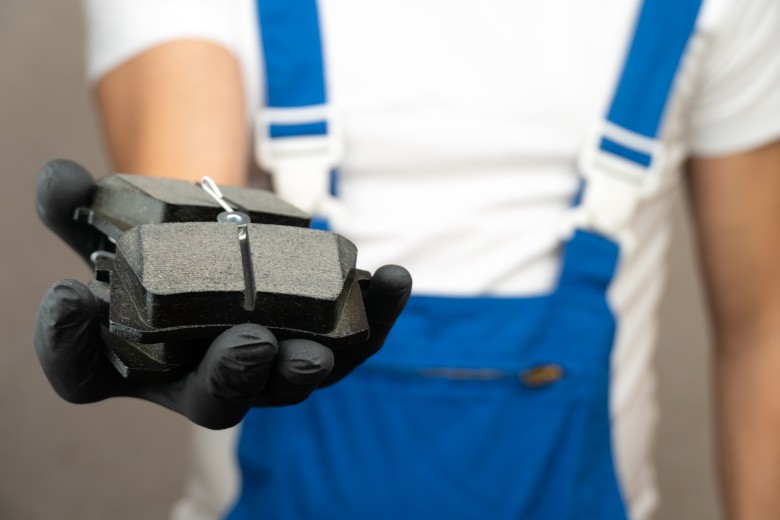
Worn Brake Pads Can Add to the Problem
Brake pads don’t last forever. Shocking, we know.
As they wear down, braking becomes rougher, noisier, or less consistent. If the pads wear unevenly from side to side, the car often feels unsettled when you brake.
Listen, too.
Squealing, scraping, or grinding along with shaking means don’t put this off. Don’t. Grinding can mean the friction material on the brake pad is worn through, and metal parts are contacting each other.
Procrastination will turn a brake-pad job into a more expensive repair pretty quickly.
It Might Not Be the Brakes at All
What? Why is it shaking then? Here’s where people sometimes get tripped up.
You feel shaking while braking, so the brakes must be the problem. Makes sense. But, of course, it’s not that simple.
A loose or worn suspension component becomes much more noticeable when the vehicle’s weight shifts forward during braking. Worn tie rods, ball joints, control-arm bushings, or wheel bearings can all contribute to shaking or steering movement.
Tires matter, too.
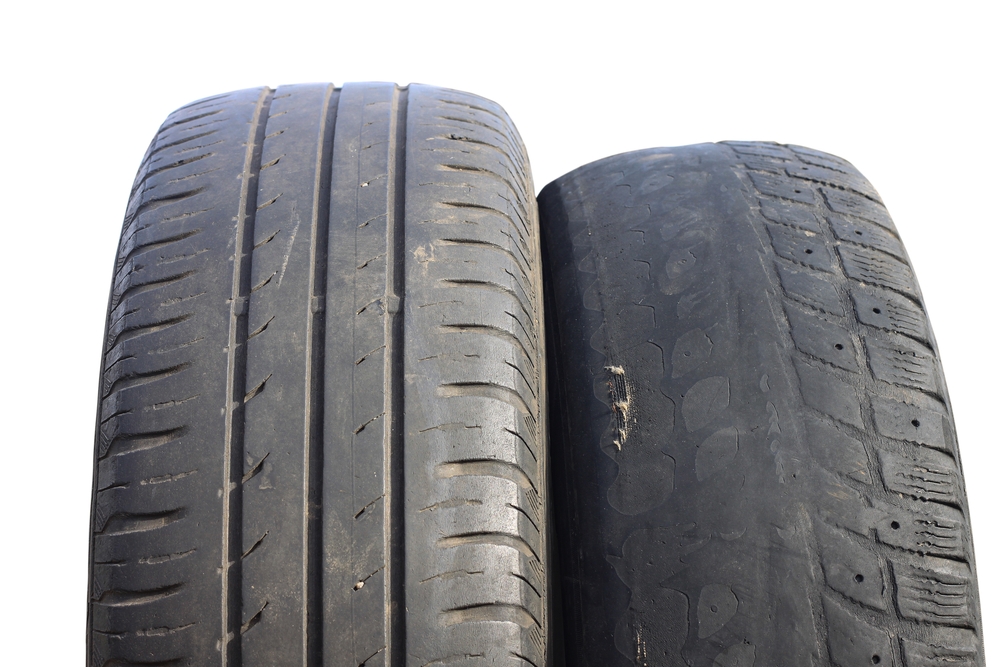
Uneven tire wear. A damaged tire. A wheel that’s out of balance. All can cause vibration while driving. Braking simply makes that vibration more obvious.
Here’s a useful test: does the car shake only when you brake, or do you also feel it cruising at 50 or 60 mph?
If it happens even when you’re not touching the brake pedal, start thinking beyond the brakes.
Where You Feel the Shake Matters
Pay attention to where the vibration shows up. It helps narrow things down.
- Steering wheel: often points toward the front brakes, front wheels, or steering components.
- Brake pedal: commonly connected to rotor variation or another braking issue.
- Seat or entire vehicle: may involve rear brakes, tires, wheels, or suspension components.
- Only at higher speeds: often suggests rotor, wheel-balance, or tire problems.
These aren’t hard rules. But they’re useful clues.
Can You Keep Driving?
Are you crazy? Don’t gamble with brakes. No, seriously. It could be somewhat harmless, but you won’t know until they’re inspected.
If the shaking just started, you probably have enough warning to schedule an inspection instead of waiting for it to become a bigger problem.
But if the car pulls hard to one side, the brake pedal feels unusually soft, you hear grinding, braking distance increases, or the steering wheel shakes violently, stop treating it like a “we’ll get to it eventually” issue.
Brakes are one system where waiting doesn’t save money.
What Should a Technician Check?
If you bring the car in because it shakes while braking, the inspection shouldn’t stop at “looks like rotors.”
The technician should check the full picture:
- Brake pad thickness and wear pattern
- Rotor condition and thickness
- Calipers and brake hardware
- Tire condition and pressure
- Wheel balance and wheel condition
- Steering and suspension components
- Wheel bearings

That matters because replacing brake parts won’t fix a worn suspension component, and balancing tires won’t fix damaged rotors.
Diagnose first. Replace what actually needs replacing. Should be obvious.
Let Us Take a Look
At Frank Boucher Mazda of Racine, we can inspect the braking system and the components around it to find out where the shaking is actually coming from.
And that’s really the point.
You shouldn’t have to guess whether you need pads, rotors, tires, suspension work, or something else. If your car shakes when braking or you’re noticing a new vibration when braking, get it checked before the symptoms get louder and more expensive.
Frequently Asked Questions
Why does my car shake when I brake?
A shake or vibration when braking is most often caused by uneven wear or heat-related distortion on the brake rotors. Worn brake pads, damaged or unevenly worn tires, an out-of-balance wheel, or worn suspension components can also cause the same symptom.
What are “warped rotors” and do they really cause the shake?
People commonly call uneven brake rotor surfaces “warped rotors.” The issue can come from uneven rotor thickness or brake-pad material deposited unevenly on the rotor surface. Either way, the driver feels a pulsing sensation that gets stronger the harder the brake pedal is pressed.
Can worn brake pads cause my car to shake when braking?
Yes. As brake pads wear down, especially unevenly from side to side, braking can become rougher and less consistent, and the car can feel unsettled when you brake. Squealing, scraping, or grinding along with the shake means the pads should be inspected right away.
Is a car shake when braking always caused by the brakes?
Not always. A loose or worn suspension component, such as a tie rod, ball joint, control-arm bushing, or wheel bearing, can become more noticeable when the vehicle’s weight shifts forward during braking. Uneven tire wear, a damaged tire, or a wheel that is out of balance can also cause vibration that braking simply makes more obvious.
Does it matter where I feel the shake?
Yes. A shake felt in the steering wheel often points to the front brakes, front wheels, or steering components. A pulsing brake pedal is commonly connected to rotor variation. A shake felt in the seat or the entire vehicle may involve rear brakes, tires, wheels, or suspension. A vibration that only shows up at higher speeds often suggests a rotor, wheel-balance, or tire problem.
Is it safe to keep driving if my car shakes when I brake?
If the shaking just started, there is usually enough warning to schedule an inspection rather than wait. But if the car pulls hard to one side, the brake pedal feels unusually soft, you hear grinding, braking distance increases, or the steering wheel shakes violently, the vehicle should be inspected right away rather than treated as something to get to eventually.
What should a technician check if my car shakes when braking?
A full inspection should go beyond the rotors and cover brake pad thickness and wear pattern, rotor condition and thickness, calipers and brake hardware, tire condition and pressure, wheel balance and wheel condition, steering and suspension components, and wheel bearings. Diagnosing the actual cause first prevents replacing parts that were never the problem.
Where can I get my car’s brakes inspected near Racine?
The service team at Frank Boucher Mazda of Racine can inspect the braking system and the surrounding components to pinpoint exactly where a brake shake or vibration is coming from, whether it turns out to be the pads, rotors, tires, or suspension.

0 comment(s) so far on Why Does My Car Shake When I Brake?