



Who Makes Mazda?
Every so often, someone walking into Frank Boucher Mazda of Racine asks a question that’s simple on the surface but surprisingly interesting once you dig in: “Who makes Mazdas?” It’s a fair thing to wonder, especially when you’re looking at a lineup known for sharp design, smooth handling, and a driving feel that’s hard to match. Mazda has always had a unique identity—sporty yet practical, stylish yet not flashy, innovative without losing sight of what drivers actually want. And understanding where that identity comes from starts with knowing “Who owns Mazda?” “Where is Mazda from?” and how the brand has evolved over the years.
Let’s take a closer look at the company behind the badge, where its vehicles are built, and how Mazda continues to push forward with new ideas and technology.
Key Takeaways
- Mazda is an independent automaker, not owned by a larger corporation.
- The brand originated in Hiroshima, Japan, in 1920.
- Most Mazda vehicles are built in Japan, with additional plants in Mexico, Thailand, and China.
- Mazda is known for its unique engineering philosophy and driver‑focused design.
- The company is investing heavily in electrification and future technologies.
Where Mazda Began
Mazda’s story goes all the way back to 1920 in Hiroshima, Japan. The company didn’t start out building cars at all—it originally produced cork. Yes, cork. But, as with many great automotive stories, innovation and curiosity pushed the company in a new direction. By the early 1930s, Mazda introduced its first motorized vehicle, a three-wheeled truck that helped establish the brand’s engineering reputation.
From there, Mazda slowly expanded into passenger cars, eventually becoming known for lightweight, fun‑to‑drive vehicles. The rotary engine—one of Mazda’s most iconic engineering achievements—arrived in the 1960s and helped set the brand apart from every other automaker. Even today, Mazda’s commitment to doing things differently is a big part of its identity.
So, Who Actually Owns Mazda?
Here’s where things get interesting. Mazda is an independent automaker. While large global corporations own some brands, the answer to “Who owns Mazda?” is Mazda Motor Corporation itself. It’s not a subsidiary of a larger automotive group, and no other manufacturer controls it.
Mazda has had partnerships over the years—most notably with Ford from the late 1970s through the early 2010s—but today, Mazda operates independently. That independence is a big reason the brand has such a distinct personality. When you drive a Mazda, you’re experiencing a vehicle built by a company that’s free to follow its own engineering philosophy.
Where Are Mazda Vehicles Made?
A question that comes up often is: “Mazda, where is it made?” Or even more specifically: “Mazdas are made in which country?”
Mazda vehicles are built in several locations around the world, but the heart of Mazda manufacturing is still in Japan. The main production facilities are located in Hiroshima and Yamaguchi, where many of the brand’s most popular models are assembled.
However, Mazda also builds vehicles in:
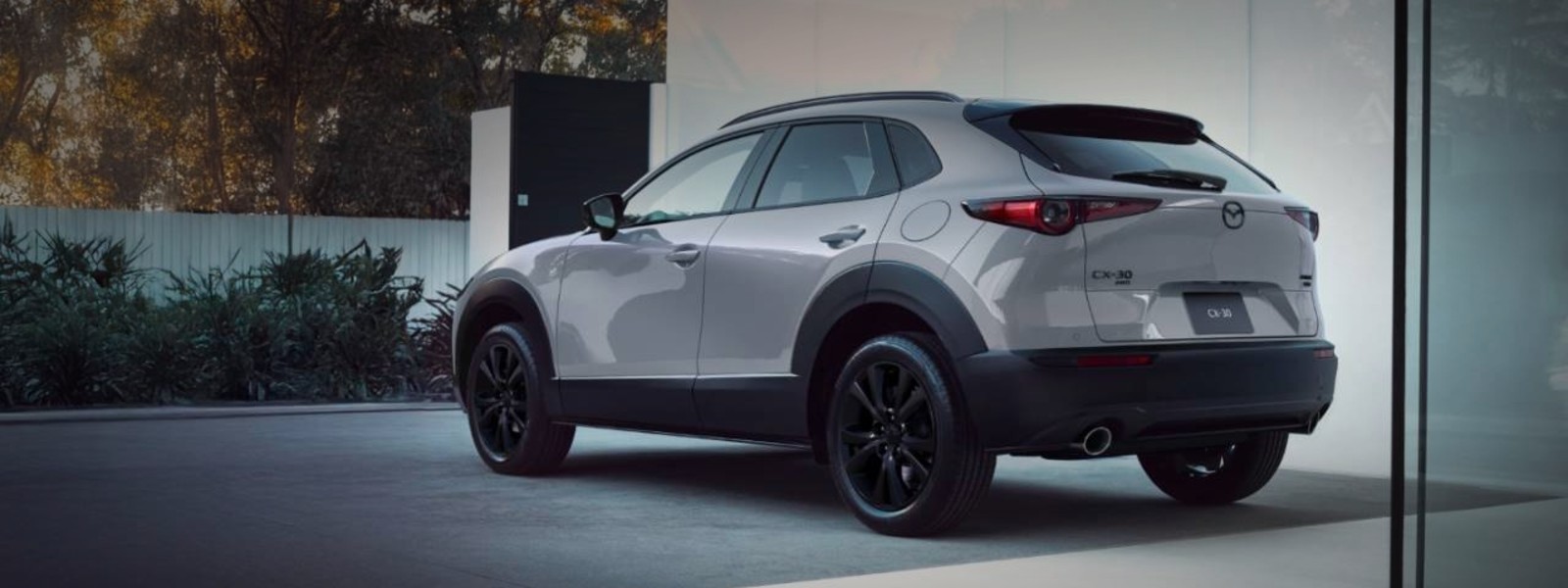
- Mexico – The Mazda3 and CX‑30 are produced at the Salamanca plant.
- Thailand – Some regional models and components are manufactured here.
- China – Mazda partners with local manufacturers for vehicles sold in the Chinese market.
For U.S. drivers, many Mazdas still come directly from Japan, which is part of why the brand has a reputation for exceptional build quality. Mazda’s craftsmanship—especially its Kodo design philosophy and attention to detail—has become a defining trait.
Mazda’s Philosophy: Driving Matters
Mazda has always taken a different approach to engineering. Instead of chasing trends, they focus on the connection between driver and vehicle. That’s why even their SUVs feel nimble and responsive. Mazda calls this approach “Jinba Ittai,” a Japanese phrase meaning “horse and rider as one.” It’s the idea that a vehicle should feel like an extension of the driver.
This philosophy shows up in everything from steering feel to cabin layout. It’s also why Mazda consistently earns praise for vehicles that are genuinely enjoyable to drive, not just practical.
Innovating for the Future
Mazda may have a long history, but the brand is far from stuck in the past. In fact, Mazda is investing heavily in new technology, electrification, and sustainable engineering.
Some of the biggest innovations include:
- Skyactiv Technology – Mazda’s approach to improving efficiency without sacrificing performance.
- Electric and Hybrid Development – Mazda is expanding its electrified lineup, including the MX‑30 and future hybrid systems.
- Sustainable Materials – The brand is exploring bio‑based materials and eco‑friendly production methods.
- Next‑Generation Platforms – Mazda is developing new rear‑wheel‑drive and hybrid platforms for upcoming models.
Mazda’s future is shaping up to be a blend of performance, efficiency, and craftsmanship—exactly what drivers have come to expect.
So, as a quick breakdown, where is Mazda from? Japan. Mazda, where is it made? Primarily in Japan, with additional production in Mexico, Thailand, and China. Who makes Mazdas? Mazda Motor Corporation—an independent company with a long history of doing things its own way.
Mazda’s Identity Is Built on Innovation and Independence
When you choose a Mazda, you’re choosing a vehicle built by a brand that values precision, design, and the joy of driving. And here at Frank Boucher Mazda of Racine, that’s something customers appreciate every day.
FAQ
Is Mazda made in Japan?
Many Mazda models are built in Japan, especially those sold in the U.S.
Who owns Mazda today?
Mazda Motor Corporation owns itself and operates independently.
Are Mazdas reliable?
Mazda consistently ranks among the most reliable automotive brands.
Which Mazdas are built in Mexico?
The Mazda3 and CX‑30 are commonly produced at Mazda’s Salamanca plant.
Does Mazda make electric vehicles?
Yes—Mazda is expanding its EV and hybrid lineup as part of its long‑term strategy.
0 comment(s) so far on Who Makes Mazda?