For most buyers, the best Mazda Miata year is 2019 or newer, when the ND’s 2.0-liter engine jumped to 181 horsepower with a 7,500-rpm redline. On a tighter budget? A 2001–2005 NB or 2009–2015 NC is a smart alternative.
Shopping for a Miata can feel like opening a time capsule. With more than three decades of Mazda Miata years to choose from, where do you even start? Our team at Frank Boucher Mazda of Racine hears that question all the time, and the honest answer depends on how you plan to drive it, whether that’s weekend cruises along Lake Michigan or daily trips around Racine.
Below, we break down every Miata generation, the model years worth a closer look, and how to match the right roadster to the way you drive.
Each generation brings its own personality. Here’s how they differ, starting with the newest.

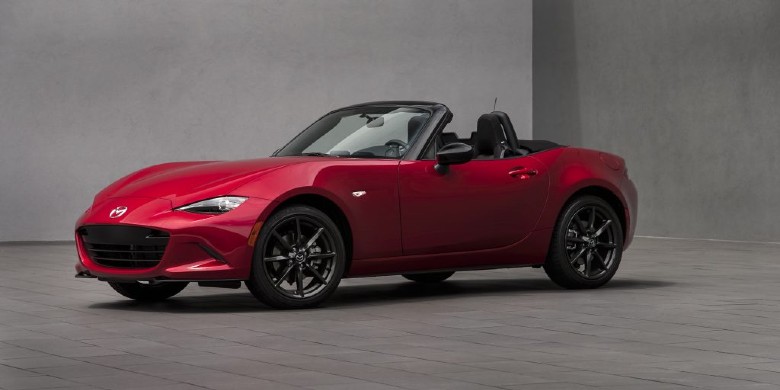
Model years: 2016–present
The ND returned to the Miata’s lightweight roots while adding modern safety and tech. The 2019 update raised output to 181 horsepower, and the RF retractable fastback offers a coupe-like look with open-air flexibility.
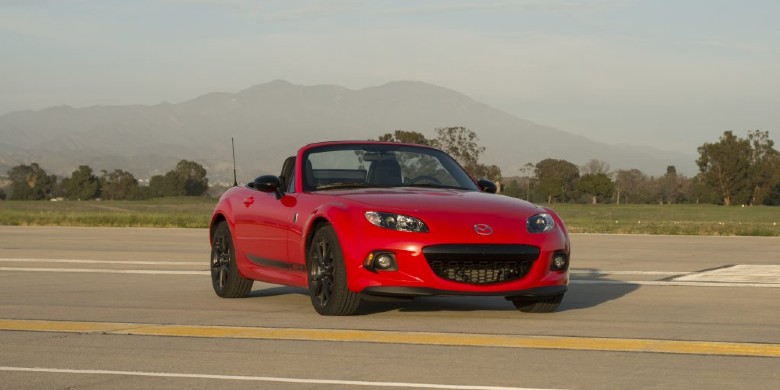
Model years: 2006–2015
The NC grew a bit, added a 2.0-liter engine, and an available power-retractable hardtop. The 2009 refresh raised the manual’s redline to 7,200 rpm. It’s roomier, making it a great daily driver.
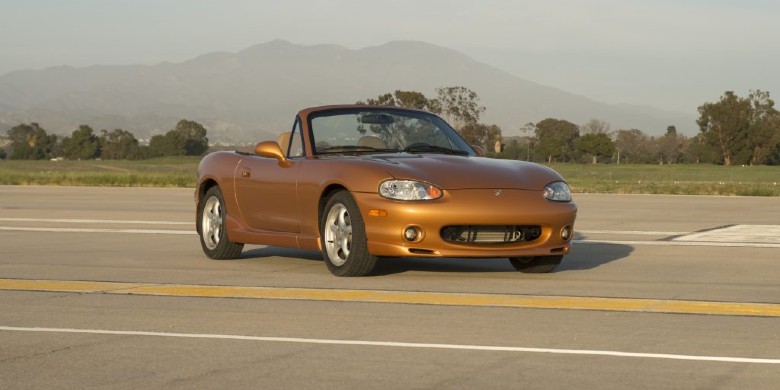
Model years: 1999–2005
The NB swapped pop-ups for fixed headlights and gained a stiffer body. Starting in 2001, variable valve timing bumped output to 142 horsepower. Plenty of enthusiasts call the 2001–2005 NB the best Miata year range for balancing price, simplicity, and fun.
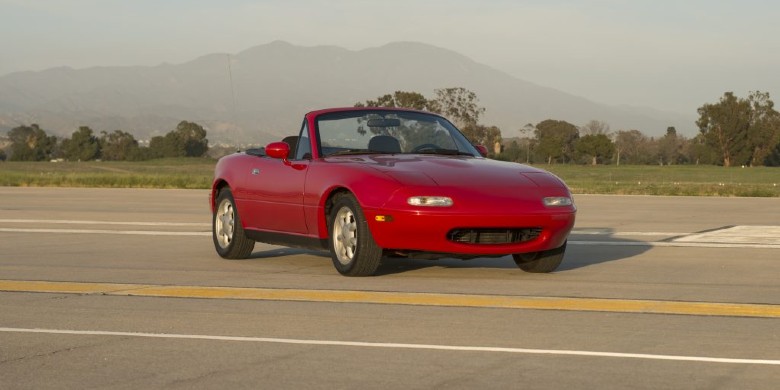
Model years: 1990–1997
The first generation started it all with pop-up headlights and a featherweight body. Early cars used a 1.6-liter engine, while 1994–1997 models used a 1.8-liter engine. Later NA cars are a collector favorite for their pure, analog feel.
Here’s a quick side-by-side look:
No Miata is truly bad, but a few years are worth avoiding without a careful inspection: early 1990–1991 NA models, 2006–2008 NC models, and the 2016 ND. These cars have known issues worth checking.
Age matters, too. Older roadsters can hide rust in the rocker panels and rear wheel wells, especially after Wisconsin winters.

Drivers love the Miata because it puts fun first. It’s light, rear-wheel drive, available with a manual transmission, and built around Mazda’s Jinba Ittai philosophy, the idea that car and driver should feel like one.
You don’t need huge horsepower when the car weighs so little. Responsive steering, balanced handling, and a top you can drop in seconds make even a quick errand feel like a back-road drive.
Buying used lets you get into a Miata for less while keeping the same driving character. Depreciation has already done its work.
The right Miata comes down to how you’ll drive it. Collectors gravitate toward the NA, value hunters love the NB and NC, and modern-tech fans should look at a 2019 or newer ND. Knowing the Mazda Miata generations makes shopping easier, and Frank Boucher Mazda of Racine is ready to help.
Ready to find your roadster? Browse the used Miata inventory at Frank Boucher Mazda of Racine, or stop by for a test drive. Our team is happy to walk you through each generation.

There are four: NA, NB, NC, and ND.
For most drivers, a 2019 or newer ND is the top pick, since that update brought 181 horsepower and a 7,500-rpm redline. If you’re shopping on a tighter budget, a 2001–2005 NB or a 2009–2015 NC is a smart alternative.
Many owners point to 2001–2005 NB and 2009–2015 NC models for proven durability, while 2019 and newer ND models pair dependability with modern features.
No Miata is a bad car, but early 1990–1991 NA models, 2006–2008 NC models, and the 2016 ND deserve a careful inspection before you buy, because each has known issues worth checking.
Starting with the 2019 update, the ND Miata’s 2.0-liter engine makes 181 horsepower with a 7,500-rpm redline, making 2019 and newer models the most powerful standard Miatas.
It can be. A well-documented, higher-mileage car is often a better bet than a neglected low-mileage one.
The standard MX-5 Miata has a manual soft top, while the RF features a power-retractable hardtop with a fastback roofline.
Yes. An automatic has been available in every generation, though the manual remains the enthusiast favorite.
Pop-up headlights were a first-generation NA feature. The NB, which arrived for 1999, switched to fixed headlights.
Jinba Ittai is the Mazda philosophy the Miata is built around: the idea that car and driver should feel like one.
Yes. Older roadsters can hide rust in the rocker panels and rear wheel wells, especially after Wisconsin winters, so have those areas looked at closely before you buy.